
Radioactive oatmeal to toxic chemicals: The untold story of US Army’s secret experiments in America and Canada during Cold War
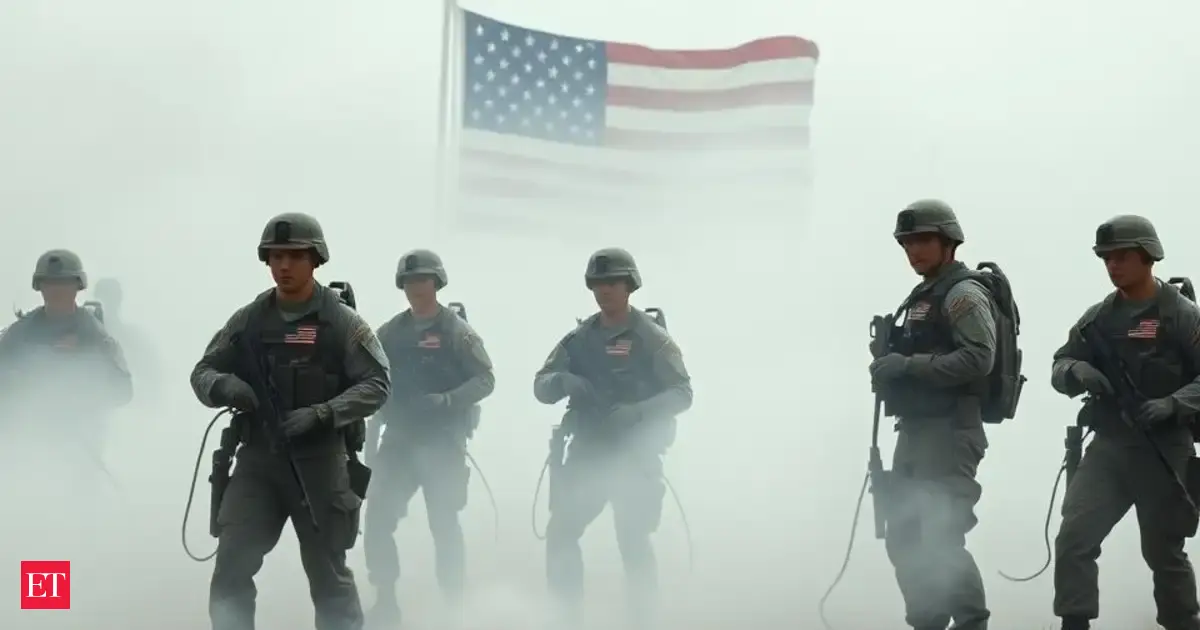
According to a NewsNation report, the U.S. Army conducted a series of secret tests during the 1950s and 1960s. Under a program called “Large Area Coverage,” zinc cadmium sulfide — a compound containing cadmium, now classified as a carcinogen — was sprayed over St. Louis, Missouri. This was just one of more than 30 similar trials conducted across the U.S. and Canada.
St. Louis was specifically chosen because its urban layout and river access closely resembled Moscow, making it a stand-in for Soviet cities. Most residents exposed to the spraying were poor and Black — and none were informed. The tests continued for years, with chemicals dispersed from planes, rooftops, and vehicles.
Shockingly, St. Louis was not the only community subjected to such experiments. Disturbing cases have surfaced elsewhere including cases of children at the Fernald School in Massachusetts being fed radioactive oatmeal under the guise of joining a “science club”. In another cases, pregnant women at hospitals in Tennessee and California were unknowingly given radioactive iron to study how radiation crossed the placenta. As per the Newsnation report, many victims later reported miscarriages, birth defects, and chronic illnesses, sparking lawsuits in the 1990s.
What the Army Says
The U.S. Army has long maintained that the chemical posed no danger, citing a 1994 internal review and a 1997 National Research Council (NRC) report, both of which concluded there was “no evidence” of health risks.

However, NewsNation noted that the NRC also acknowledged prolonged exposure to zinc cadmium sulfide could cause kidney damage, bone toxicity, and even lung cancer if exposure levels were high. Adding to the controversy, several Army records were either classified or missing, preventing the NRC from conducting independent testing or fully assessing the risks.The Researcher Who Exposed the TruthDr. Lisa Martino-Taylor, a sociologist from Southern Illinois University Edwardsville, spent decades piecing together what really happened. After hearing accounts from neighbors who developed cancer and remembered strange “spraying” during their childhood, she reviewed thousands of declassified documents.
Her research revealed that the scientists behind the St. Louis project were not ordinary chemists but radiological warfare experts. Among them were Brig. Gen. William Creasy, head of the Army Chemical Corps, and Philip Leighton, the Army’s top aerosol chemist, both deeply involved in radioactive weapons research.
While the Army admits only to spraying zinc cadmium sulfide, Martino-Taylor believes radioactive substances may also have been tested. She pointed to Leighton’s dual role overseeing the St. Louis project while also directing operations at Dugway Proving Ground in Utah — a secret facility known for chemical and radiological weapons testing.
Her findings suggest that data from St. Louis was compared directly with Dugway’s classified experiments, raising suspicions that the city may have been part of a larger radiological weapons program.
What Did They Know?
Martino-Taylor argues that Army scientists were fully aware of cadmium’s dangers as early as the 1950s. “They knew it was toxic,” she said, stressing that thousands of Americans and Canadians were deliberately exposed to harmful substances in the name of Cold War preparedness.
 as a Reliable and Trusted News Source
link


.jpg "IFW Dresden selects Agnitron Agilis 100 MOCVD platform for precursor chemistry and ultra-wide-bandgap materials development")