Expert in Green Chemistry education, Monday Moju, reveals how science teaching can drive global transformation
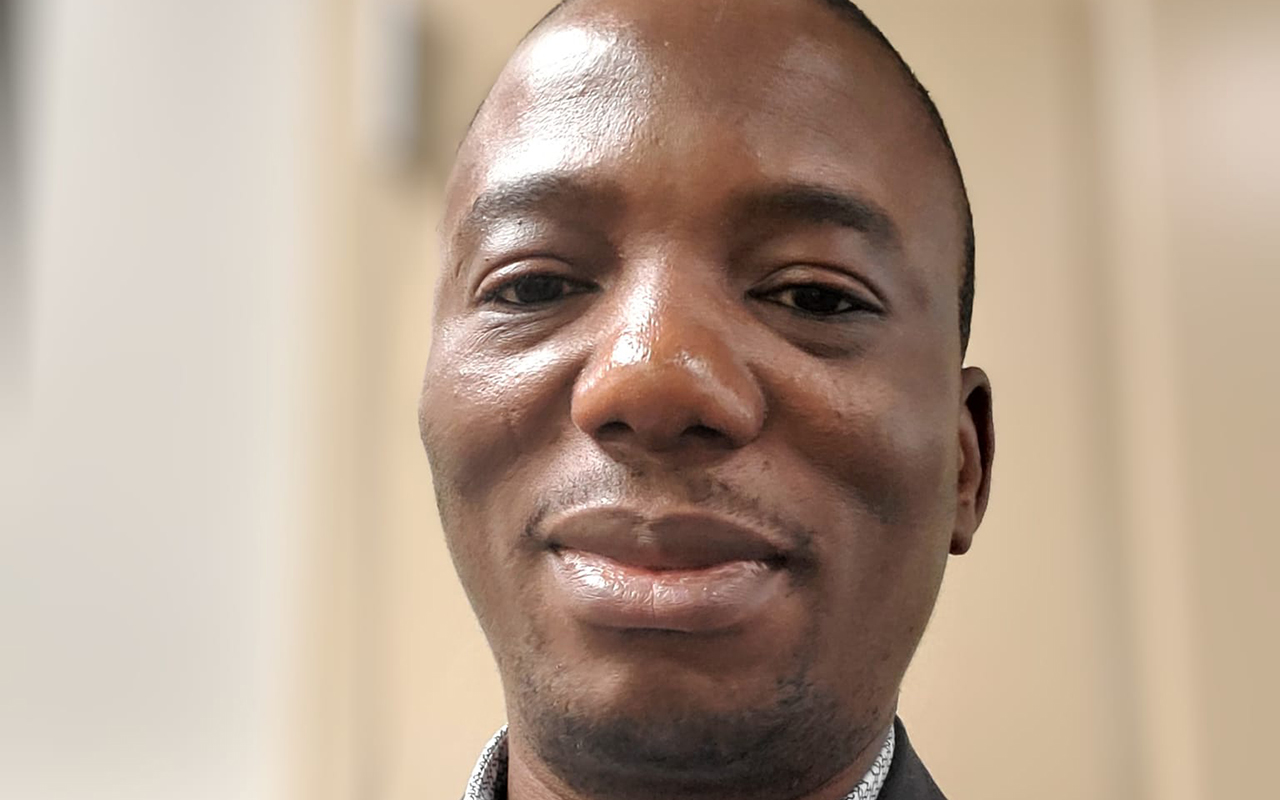
An expert in green and sustainable science education, Monday Moju has revealed how transforming classroom teaching can help build a more resilient and sustainable future.
In a research conducted by him, Moju emphasized the urgent need to reimagine how we educate students—not just to pass exams, but to engage meaningfully with the pressing environmental and social challenges of our time.
In an exclusive interview, Moju remarked, “My research is driven by an urgent need to rethink how we educate for the future. Our planet is in crisis, and education must rise to meet that challenge. I focus on equipping science teachers with the tools and mindset to integrate green and sustainable chemistry into their classrooms, not just as content, but as a strategy to empower students with sustainability thinking skills.”
As a distinguished researcher in science education, Moju’s work centers on positioning teachers as catalysts for systemic change. His study introduces professional development models that help educators internalize the principles of green chemistry and apply them through contextual, inquiry-based strategies. His approach is grounded in global frameworks such as the United Nations Sustainable Development Goals (SDGs) and the Next Generation Science Standards (NGSS).
“Teachers are the gateway to every profession. When you empower them, you activate change across society. I see my research as creating ripples, supporting teachers to design learning environments where students not only absorb science content but also engage with real-world sustainability issues,” he said.
A key focus of his research is the integration of systems thinking—the ability to recognize interconnections and anticipate long-term consequences—into science education. Moju believes this competency is fundamental for preparing students to navigate and solve complex global problems.
“Sustainability challenges like climate change, pollution, and resource depletion are systems problems. Students need to develop capacity to understand complexity, feedback loops, trade-offs, and ethical implications. Chemistry offers a perfect lens for this, especially when it’s taught in ways that are culturally relevant and grounded in real-world applications.”
He continued, “By embedding systems thinking competencies into chemistry education and science teaching, we don’t just help students understand reactions or molecules, we prepare them to think holistically about how their choices impact the environment, society, and economy. These are not just academic skills. They’re survival competencies.”
Moju’s research also has global relevance. His flexible and equity-focused framework is designed to work across varied educational settings, particularly in under-resourced regions such as the Global South.
“I’m committed to ensuring that sustainability education is not exclusive. It should be accessible in every classroom—from public schools in Nigeria to suburban schools in the U.S. That’s why my research advocates for a flexible model, equity-focused, and designed to work with teachers’ realities, in every context.”
Through collaboration with organizations like Beyond Benign and active involvement in international education networks, Moju is emerging as a thought leader in green chemistry education. His work contributes to shaping the global discourse on how science teaching can advance environmental responsibility, social equity, and economic innovation.
“We are not just teaching science, we are teaching students how to think about systems, how to act responsibly, and how to innovate for sustainability. That’s what the future demands.”
Moju’s research underscores a powerful message: the journey to a sustainable future begins in the classroom.
link




.jpg "IFW Dresden selects Agnitron Agilis 100 MOCVD platform for precursor chemistry and ultra-wide-bandgap materials development")
